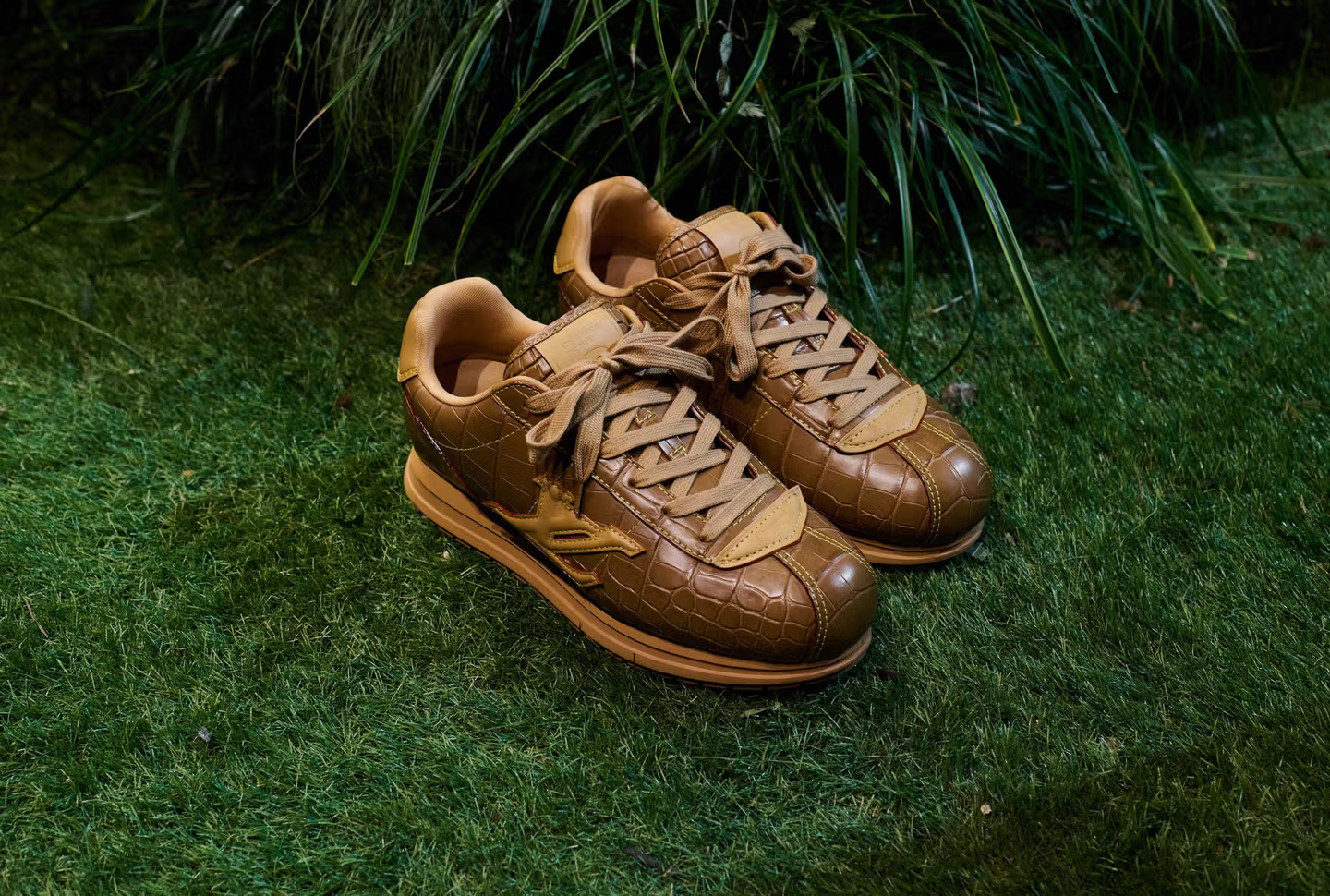
In the modern fashion landscape, the term “luxury” is frequently used but rarely defined with precision. When analyzing what makes a Louis Vuitton men’s trainers a luxury item, the distinction between a standard athletic shoe and a luxury asset isn’t found in a single feature, but in a convergence of measurable factors. Luxury in footwear is defined by a rigorous set of standards that encompass material sourcing, specialized construction, design philosophy, and cultural significance.
This exploration will break down these factors to explain why certain trainers transcend the “sneaker” category and are recognized as luxury objects.
Premium Materials as the Foundation of Luxury
Luxury begins at the source, long before a design is ever sketched. While mass-market sneakers often rely on synthetic blends and lower-grade “genuine” leather, luxury trainers use full-grain leather and specialized coated canvas.

The selection process for these materials is exhaustive. Only hides with near-perfect grain consistency are selected, ensuring the upper is not only visually superior but also naturally breathable and structurally sound. Material sourcing matters more than appearance because it dictates the shoe’s lifespan; luxury begins at the material level, prioritizing substance over superficial styling.
Craftsmanship and Construction Standards
The primary differentiator between luxury and mass production is the human element involved in assembly. High-speed automated assembly lines largely produce standard sneakers. In contrast, luxury trainers involve a multi-step assembly process that includes:
- Hand-Finished Elements: Precise alignment of patterns and logos that machines often miss.
- Stitch Density: A higher number of stitches per inch provides a refined aesthetic and significantly increased seam strength.
- Edge Finishing: Instead of raw edges, luxury trainers feature hand-painted or rolled edges to prevent fraying.
- Sole Bonding: Technical bonding agents combined with reinforcement stitching ensure the shoe does not delaminate under stress.
Design Philosophy Behind Louis Vuitton Trainers
Louis Vuitton treats the trainer as a design object, not just footwear. The philosophy focuses on a balance between sport references and luxury form. This involves careful attention to proportions—how the sole’s weight affects the wearer’s gait and how the structure maintains its silhouette over time. The design logic dictates that every detail, from the eyelets to the tongue height, must serve both ergonomic and aesthetic purposes.
Brand Heritage and Continuity

A brand’s history provides a benchmark for quality. Heritage influences modern products by mandating a continuity of standards; a legacy brand cannot afford to apply subpar standards to its footwear without damaging its historical reputation. While heritage contributes to perceived and real value, it does not replace craftsmanship. It acts as a guarantee that the standards applied to a 19th-century trunk are applied to a 21st-century trainer.
Cultural and Social Significance
Luxury trainers function as potent cultural symbols. They exist at the intersection of high fashion, music, and contemporary lifestyle. Because they are highly visible in influential spaces, they carry “social currency.” This visibility increases the item’s perceived value, making it a recognizable marker of a specific aesthetic and social standing.
Scarcity, Distribution, and Perceived Value

From an economic standpoint, luxury is tied to controlled production. Unlike standard sneakers produced in the millions, luxury trainers are manufactured in limited quantities. By controlling the supply and restricting distribution to exclusive environments, the brand ensures the item remains scarce. This scarcity influences perceptions of luxury, as the difficulty of acquisition becomes part of the item’s value proposition.
How Luxury Trainers Differ From Standard Sneakers
| Feature | Standard Sneakers | Luxury Trainers |
| Materials | Synthetics / Low-grade leather | Full-grain leather / Coated canvas |
| Construction | Mass-automated | Artisanal / Multi-step manual |
| Design Intent | Performance or Trend | Longevity and Design Logic |
| Longevity | 1–2 years | 5–10+ years (with care) |
| Cultural Role | Utility / Mass fashion | Cultural symbol / Luxury asset |
Are Louis Vuitton Trainers Luxury Because of Price?
It is a common misconception that a high price tag makes something luxurious. In reality, price is a result, not the cause. The cost reflects the premium cost of raw materials, the fair wages of skilled European artisans, and the overhead of maintaining a high-standard supply chain. The process and intent define luxury; the price accounts for them.
Why Men Consider Louis Vuitton Trainers an Investment

For many, the move toward luxury footwear is a shift in cost-per-wear logic. While a standard sneaker may lose its shape and aesthetic appeal within a year, a luxury trainer is built for durability. The design’s longevity means the shoe remains relevant across multiple seasons, representing a more sustainable and high-value approach to a modern wardrobe.
Inspired Design and the Broader Luxury Ecosystem
The influence of iconic luxury designs extends far beyond their own boutiques. These designs set the aesthetic tone for the entire fashion industry, influencing how silhouettes and materials are used globally. At HolloStyle, we appreciate the role of inspired design in making high-level aesthetics more accessible. We curate footwear that reflects this broader luxury ecosystem, offering pieces that respect the character and sophistication of iconic design language.
One response to “What Makes a Louis Vuitton Men’s Trainers a Luxury Item?”
[…] What makes an LV Trainer an industry standard? It lies in the meticulous dissection of its design. Each pair requires approximately seven hours of stitching, a testament to its “luxury-first” construction. […]